
Air sealing services in Sioux City IA - a tighter house that still breathes
Drafty upstairs, cold floors or rooms that never warm up? We find the leaks you can't see and seal them in the right order.
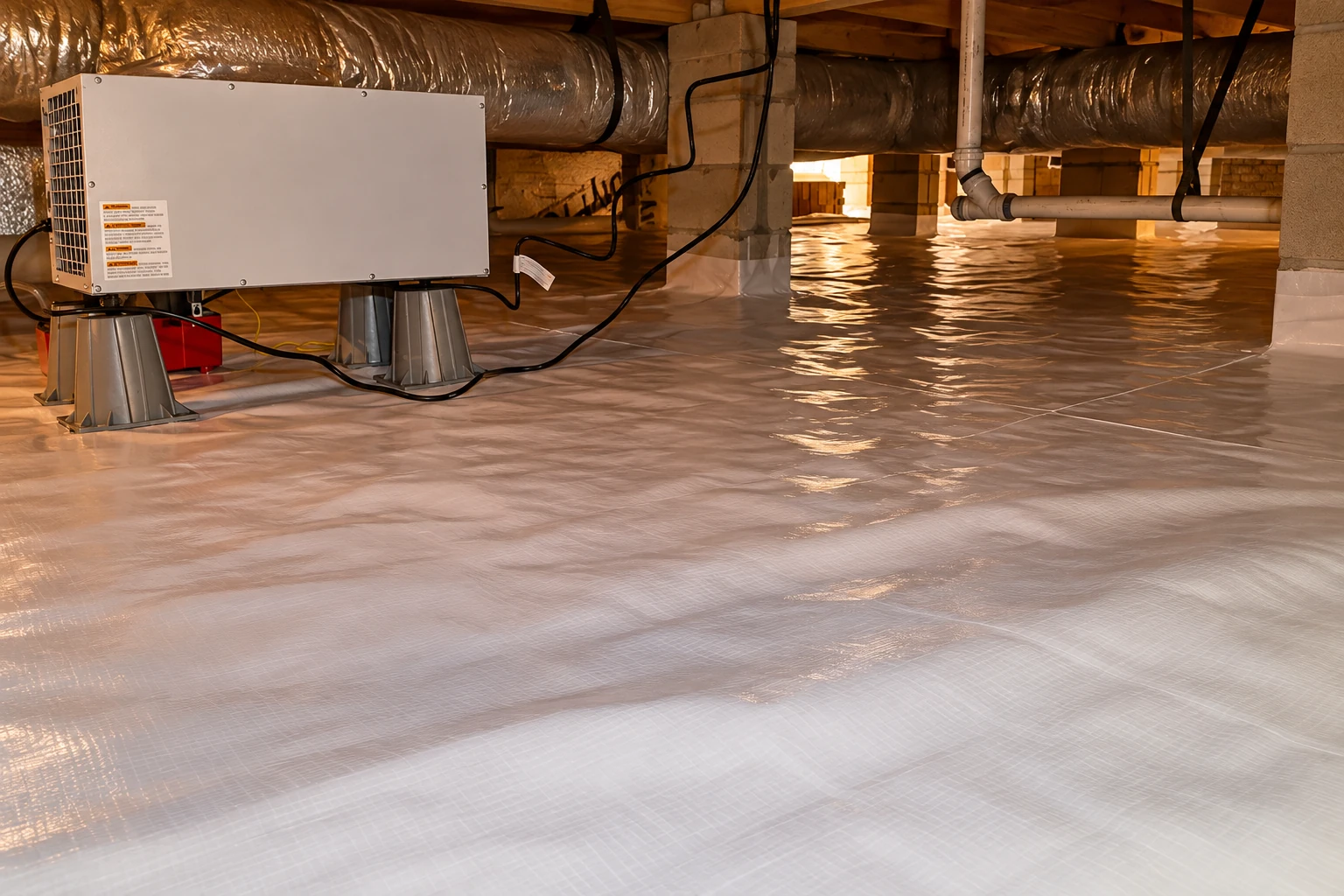
Do I need a pro to air seal my house in Sioux City?
Air sealing closes the gaps that let air slip in and out of your house, like the ones around door frames and where pipes, wires, vents, ducts and fans pass through outside walls and into the attic. Our air sealing services in Sioux City handle that work before any new insulation goes in, so the house holds its heat and the insulation isn't fighting a draft.
Most people call us about a cold upstairs or a power bill that won't come down, and the cause is usually leaks they can't see under the attic insulation. The price turns on how hard your attic is to get into, how much old insulation we have to work around and what needs fixing before we seal. The schedule turns on the same things, plus whether you're adding attic insulation afterward, and the estimate is where you get your own figure.
How our air sealing service works
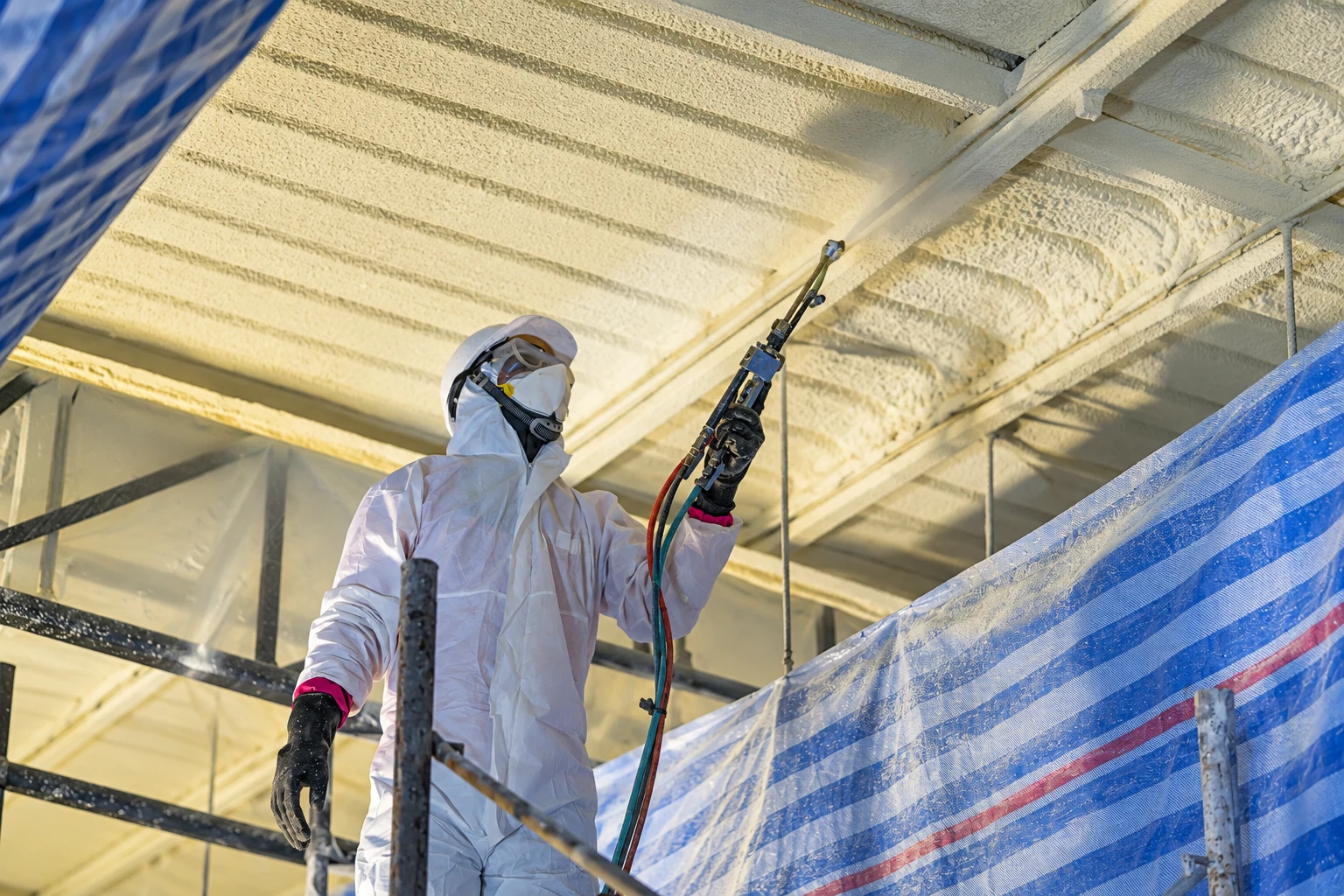
I start with a walk through the house, and I'll tell you which leaks you can caulk or weatherstrip yourself, because there's no sense paying us for those. Then we get into the attic and look for moisture or anything else that should be fixed first, since sealing over a wet problem just hides it. Once that's handled, our installers seal the hidden gaps around pipes, wires, ducts, can lights, fans and the attic hatch. Before we're done, I look at how your house will get fresh air once it's tighter, because a sealed house still has to breathe.
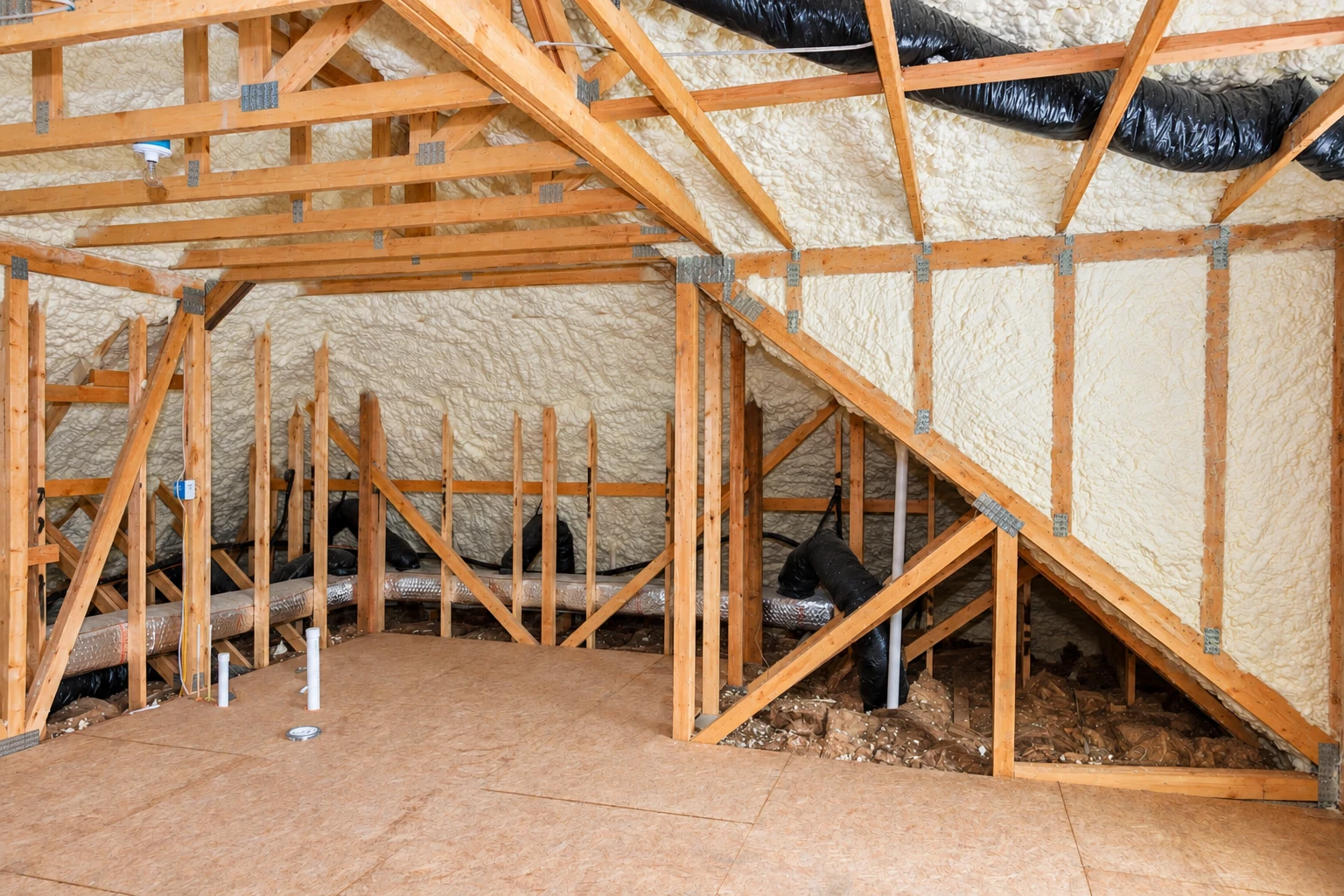
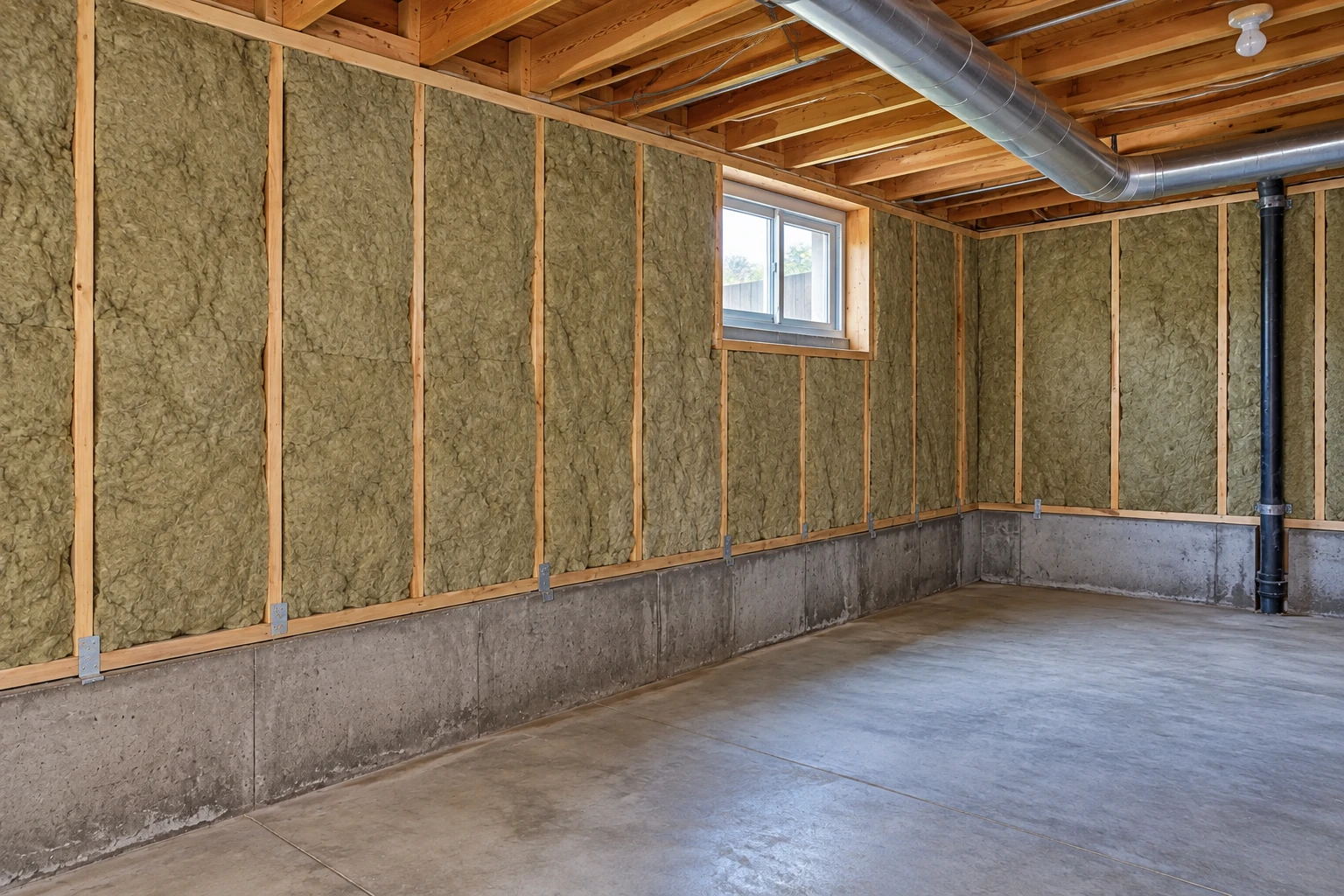
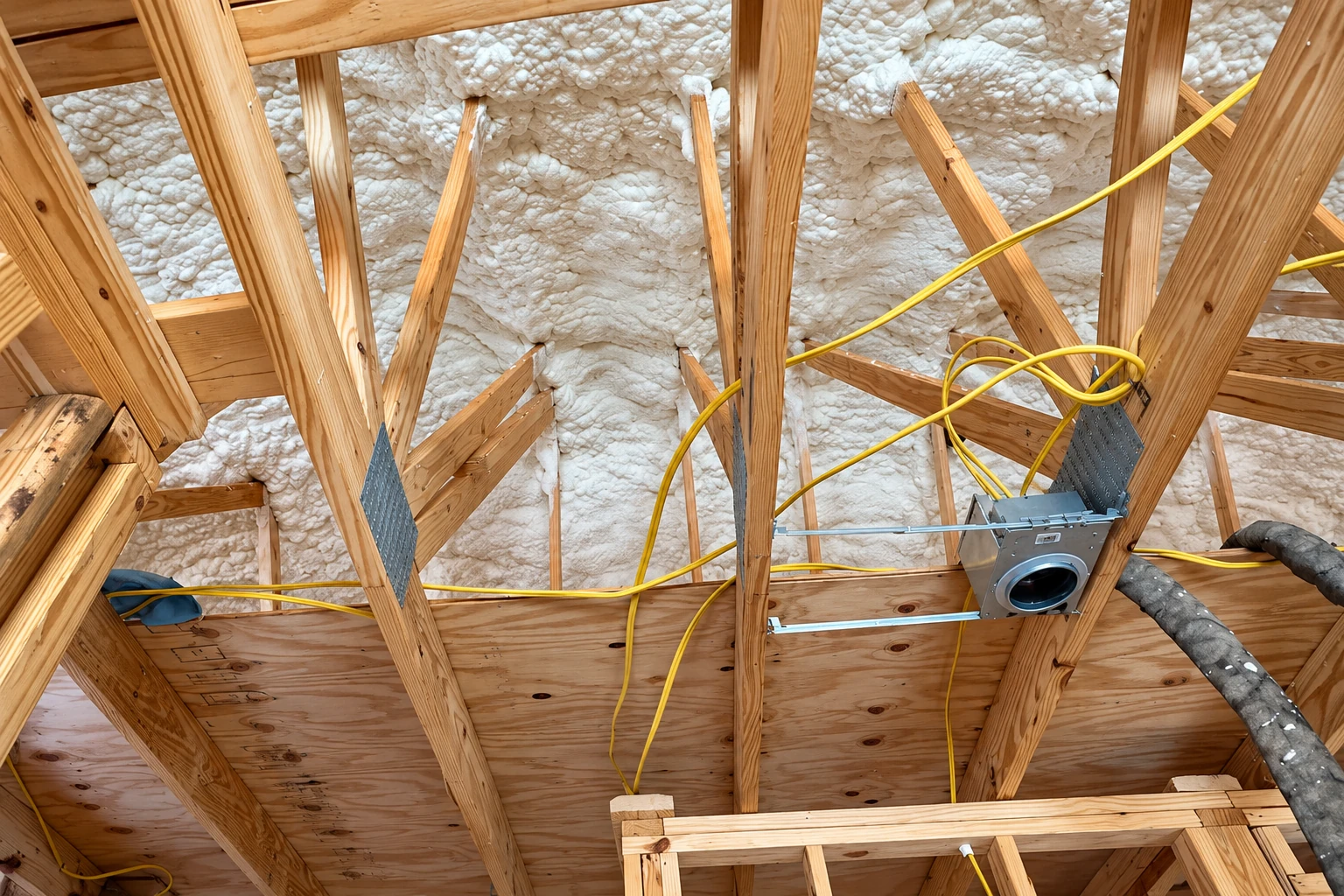
Air sealing usually ties into other work. If you're adding insulation, we seal first and insulate after, because fresh insulation buries the gaps we'd need to reach. Older basements leak a lot of air where the house sits on the foundation, so we often pair sealing with basement insulation. Closed-cell foam insulation is dense foam that blocks moisture, and it seals and insulates in one pass but costs more, so I usually steer people toward sealing the gaps and topping up the loose fill unless the ductwork runs through the attic.
Why Sioux City homeowners call Superior Sioux City Insulation Company for air sealing
The owner sees every job
I come out to look at your house and write the estimate, our installers do the work, and I check it before we wrap up. You deal with the same person who saw the problem in the first place.
Licensed and insured for every job
We're fully licensed and insured. Iowa requires contractors who earn at least $2,000 a year from construction to register with the state's Department of Inspections, Appeals, and Licensing, so it's a fair thing to ask anyone you're thinking of hiring.
Permits checked before we start
Before work starts, we check with the city or county office and take care of any permit the job calls for. In Sioux City that's Inspections and Permit Services, and its permit list names building, electrical, mechanical and other work but not air sealing, so we ask instead of guessing.
Built for lived-in homes since 2023
I spent my early years insulating new houses and started this business in 2023, because old insulation, hidden leaks and a family under the attic are the work I wanted. That's why we look for what's wrong before we add anything, and why I'll tell you if a job isn't ready.
We're based in Sioux City and work across the cities around it in Iowa, Nebraska and South Dakota, and the work is backed by our satisfaction guarantee. Call (712) 560-3837 or request an estimate, and have your home's age, what you heat with and any attic trouble you know about ready.
Get a free on-site look at your air leaks
Send the form and we'll reply within one business day to set a time. I'll come out, look at the attic and the rest of the house, and write your estimate. It's free and there's no obligation.
Air sealing work up close
What people ask about air sealing
Can I seal air leaks in my house myself?
Yes, for the obvious ones, like a drafty door frame or a gap you can see and reach. Doing it yourself won't catch the small, hard-to-find leaks, especially in an attic buried under layers of insulation, and those are usually the ones behind a cold upstairs.
How do I find air leaks I can't see?
The surest way is an energy assessment that uses a blower door test and a thermal, or infrared, camera to show where air is getting through. Asking for that testing means the leaks that matter get sealed, not just the ones in plain sight. It's also worth asking whether the assessment checks how well your house is ventilated, so moisture and harmful gases don't build up once it's tighter.
How do I keep air sealing safe with a gas furnace or water heater?
Have the appliance tested, because in some cases sealing can make a naturally venting gas or oil appliance back-draft, which pushes combustion gases back into the house. A Home Performance Contractor can test it before and after the sealing, and I'll ask what you heat with when I come out so we plan around it. Sealing may also trap carbon monoxide, radon and chemical fumes called VOCs, and the fix can mean added ventilation fans and repairs to whatever is putting them out.
Should I test for radon after air sealing my Sioux City home?
Yes, the EPA recommends checking radon levels with a test kit after you cut down air leaks. Iowa's health department reports that the entire state is considered high risk for radon in homes, so in Sioux City that test is a smart last step.
How much does air sealing cost in Sioux City?
There's no flat price, because the cost comes down to how many hidden leaks there are and how hard they are to reach. Deep old insulation, a cramped attic, a fan that needs rerouting, added ventilation or foam in place of caulk all push it up, while an open, dry attic with easy access keeps it down. I'll give you your number once I've seen the house.
What needs to be fixed before an attic gets air sealed?
Wet insulation, moldy or rotted rafters or joists, and kitchen, bath or dryer vents blowing into the attic should all be fixed first, according to ENERGY STAR. Wet insulation usually points to a roof leak, and mold or rot points to a moisture problem. If we find vermiculite, we leave it alone, because the EPA says to assume it may contain asbestos and not disturb it, and we watch for knob and tube wiring, found in houses wired before 1930, since it can be a fire hazard when it touches insulation.
Work that often goes with air sealing
- Basement insulation
If the cold starts downstairs, insulating the basement stops a lot of the chill before it reaches the floors you walk on.
- Closed-cell foam insulation
Worth a look when one spot has to keep out both air and moisture, like an attic where the ductwork lives.