
Basement insulation in Sioux City IA - dry walls first, then a warm basement
Cold basement floors, damp walls or a chilly room downstairs? We sort out the water first, then insulate so the space stays warm and dry.
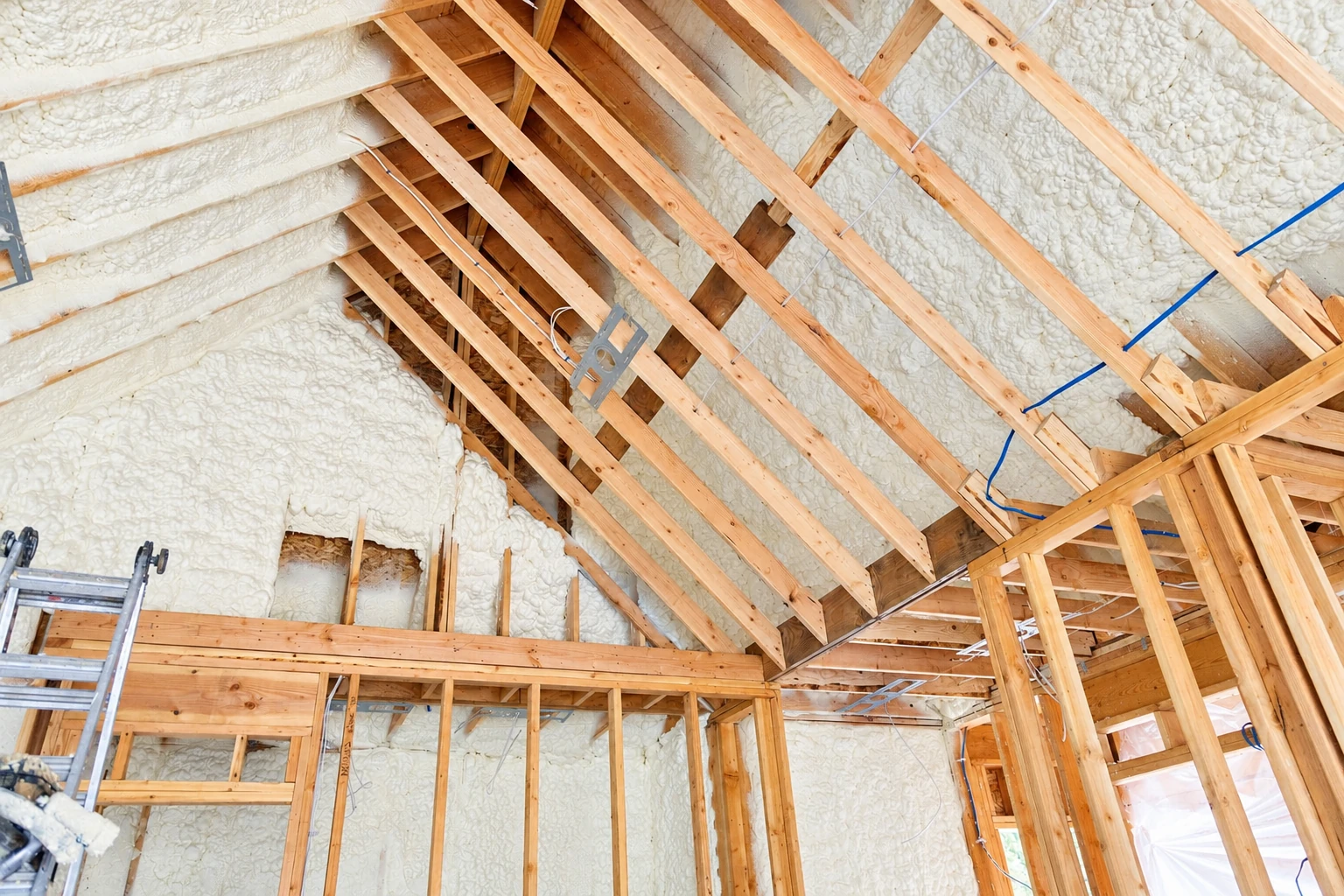
What does it take to insulate a basement in Sioux City?
Basement insulation in Sioux City means covering the concrete walls with material that slows heat loss and won't soak up water, so the rooms downstairs stay warmer and the walls stay dry behind it. Most of the time on a basement goes into getting the walls ready, not putting the insulation up.
Most people call Superior Sioux City Insulation Company because the basement floor is cold, the walls feel damp or they want to finish the space without trapping a problem behind drywall. The price moves with how much wall there is, whether water has to be handled first, which material goes against the concrete and whether the walls get covered when we're done. The schedule mostly turns on the water, because a wall that gets wet has to be fixed before anything goes up, and if the rooms above are drafty too, air sealing can fit into the same visit. I'll give you your own figure on the estimate once I've seen the walls.
How we handle basement insulation
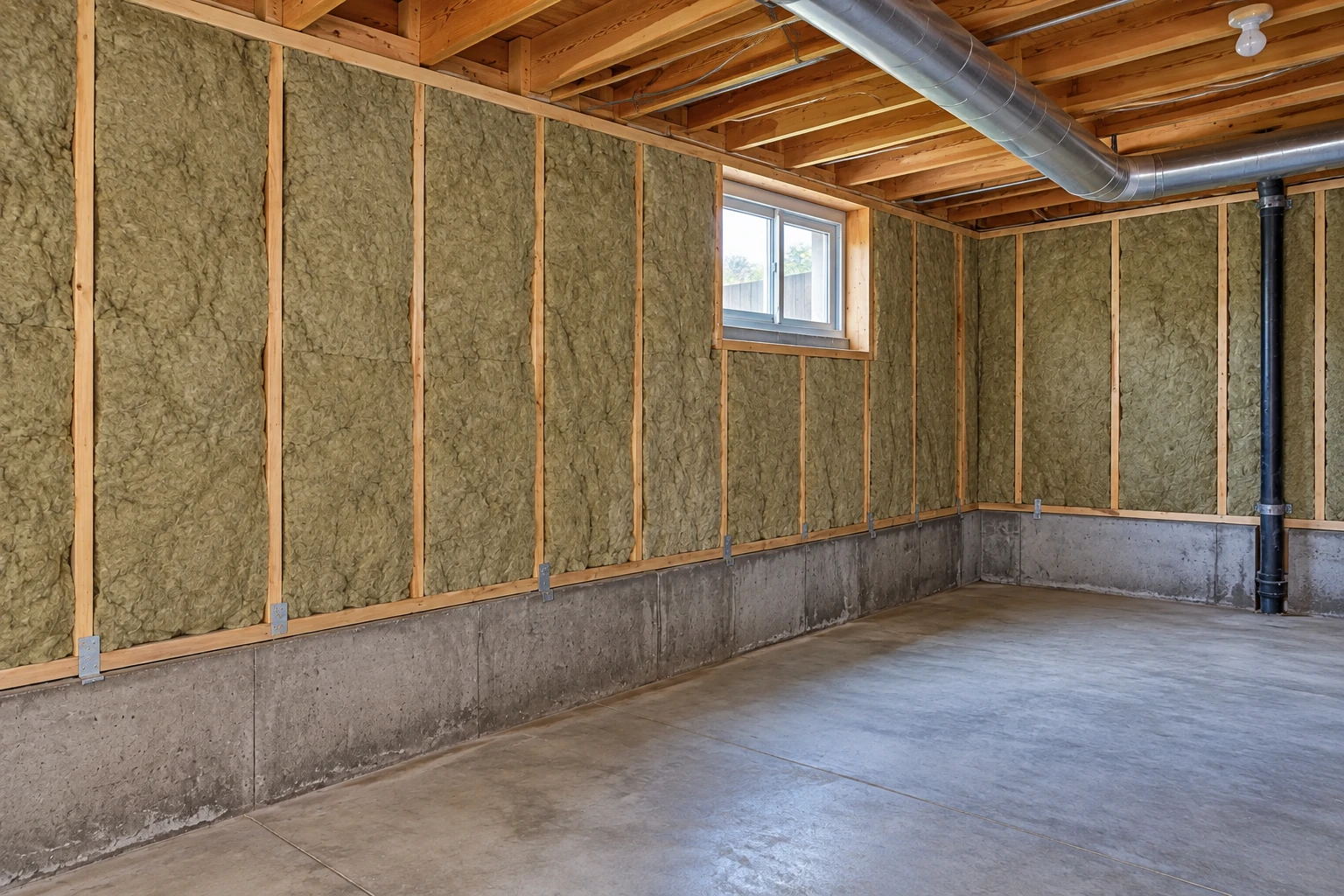
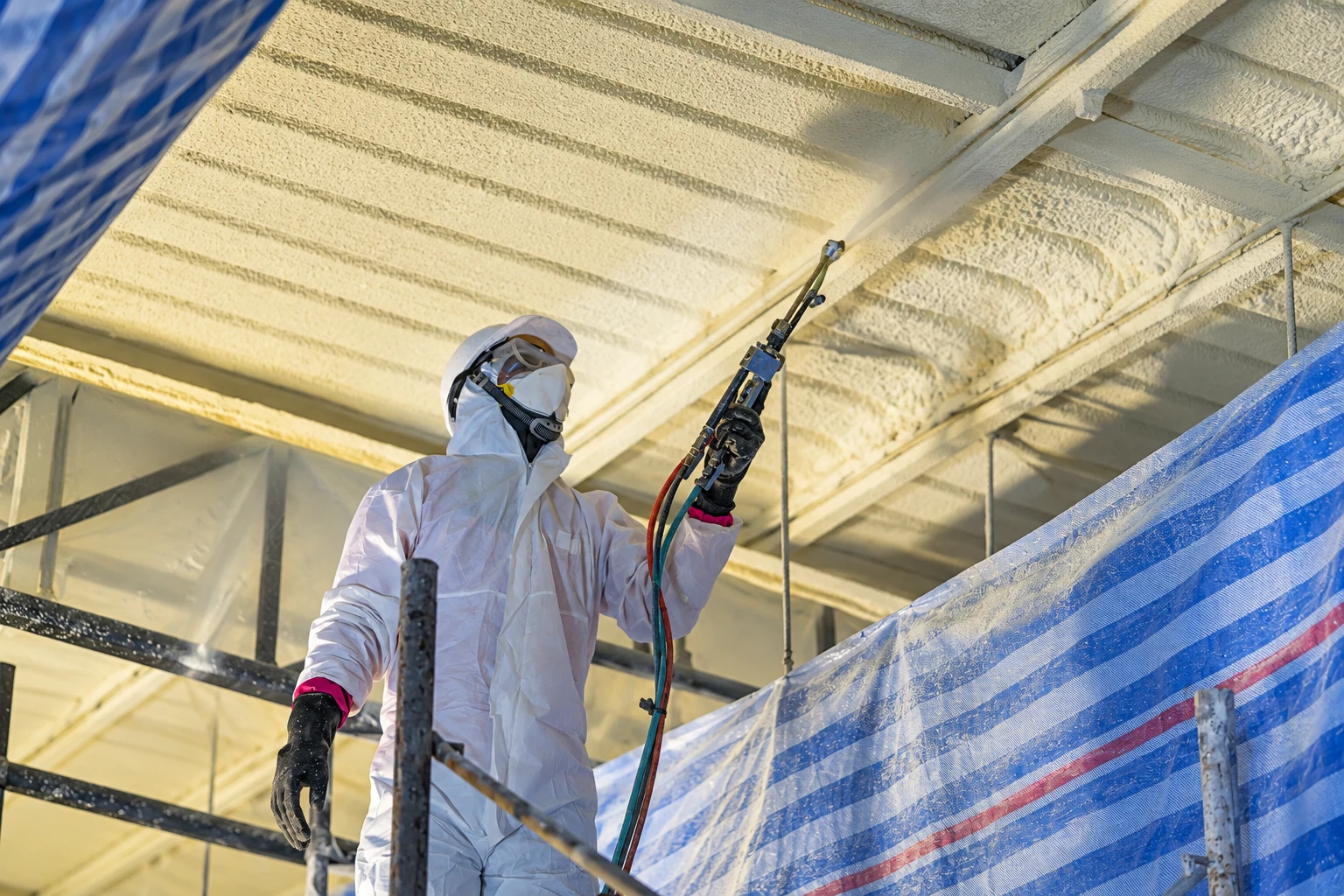
We start by looking closely at the walls and the floor along them for stains, damp spots and water lines, because that tells us whether the basement is ready. If the walls get wet, we deal with the water before any insulation goes up. Then we put material against the concrete that won't soak up moisture, seal the rim joist, the wood band where the house sits on the foundation, and cover the foam where it needs it so the room is ready to finish. We also check any furnace, water heater or other fuel-burning appliance down there before we wrap up.
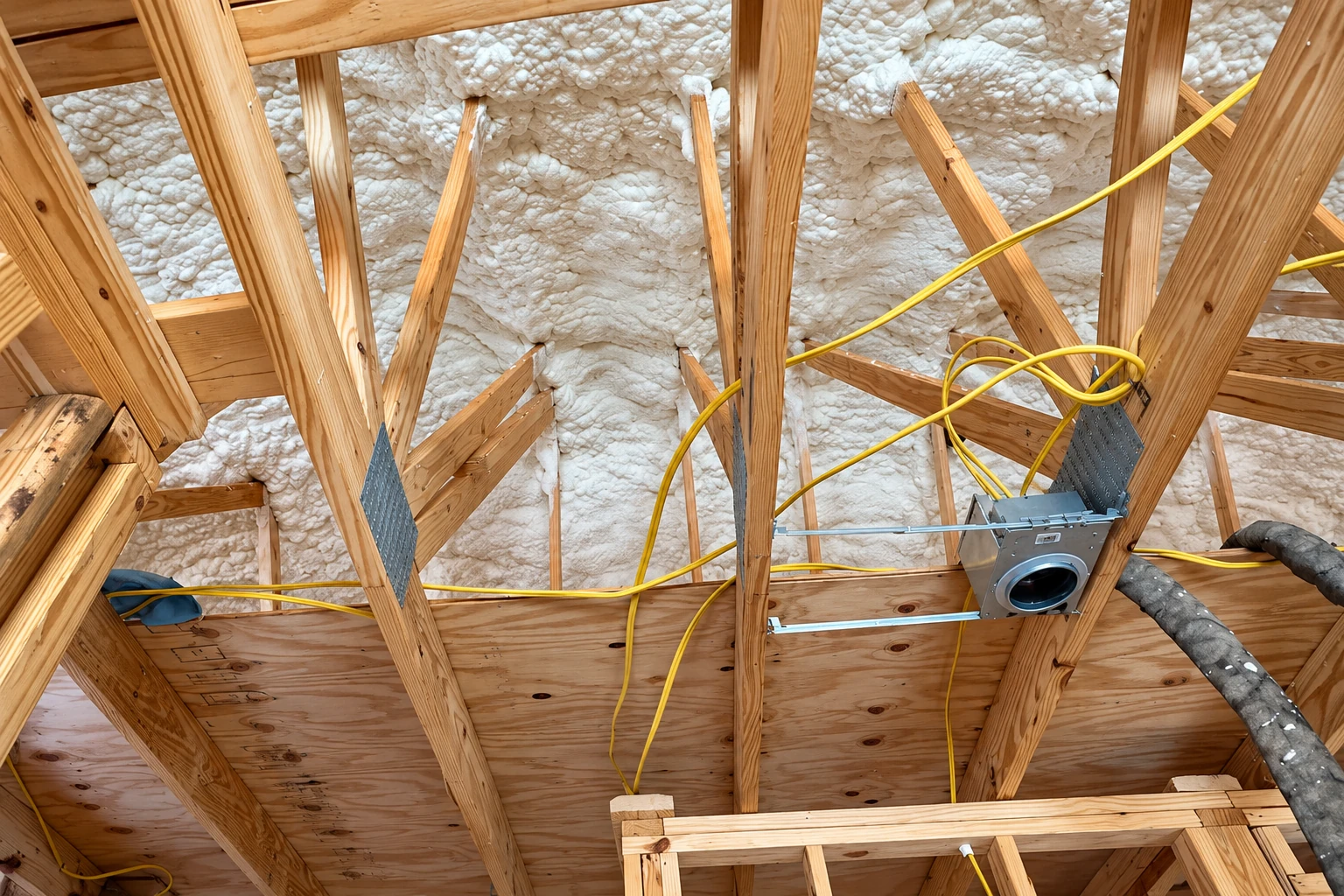
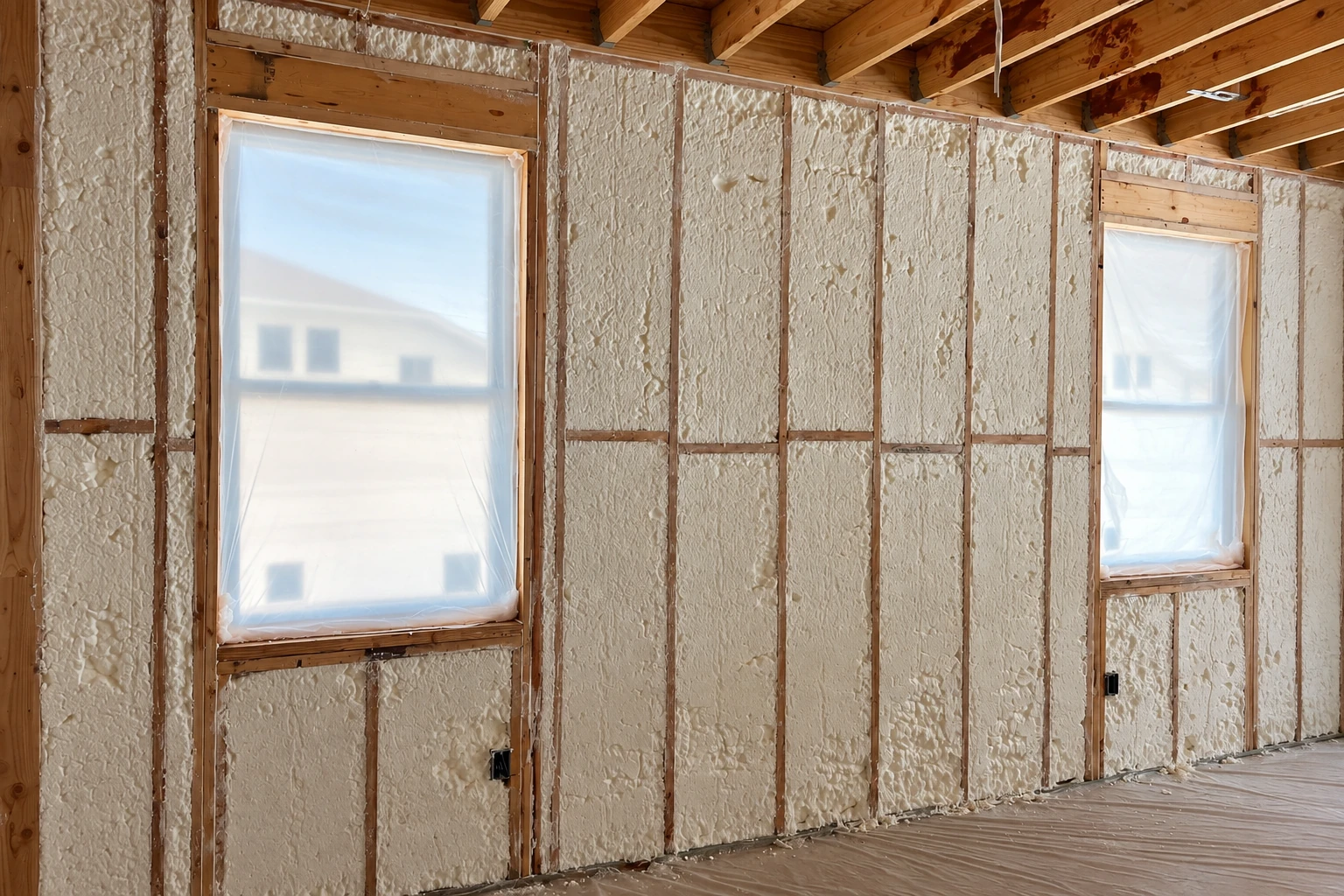
Two materials come up on most basement jobs, and they aren't interchangeable. Closed-cell foam insulation is dense and blocks moisture, so it's what we'd spray against concrete or at the rim. Open-cell foam insulation is softer and costs less, so it fits better in the basement ceiling or an inside wall where you want quiet and the concrete isn't involved.
Why Sioux City homeowners call us for basement insulation
The owner prices and checks
I come out to look at your basement and write the estimate myself, then our installers do the work and I check it before we wrap up. You're dealing with the person who priced the job from the first visit to the last.
Licensed and insured on every job
Iowa requires a contractor to be registered with the state before doing construction work here, so it's fair to ask anyone who bids on your basement. We're fully licensed and insured.
Water first, insulation second
If a wall gets wet, we fix the water before anything goes up, because insulation over a damp wall just hides the problem. I'd rather tell you the basement isn't ready than sell you a job that won't hold up.
Lived-in homes since 2023
I spent my first years insulating new houses with open walls, then started this business in 2023 to work on homes people already live in. Older basements come with old insulation, hidden leaks and a family upstairs, and that's the work we set up for.
On a basement, the order of the work matters most. Call (712) 560-3837 or send us a note, and tell me whether the walls ever look wet and whether a furnace or water heater sits down there.
Get your basement walls looked at and priced
We reply within one business day. Estimates are free, done on site and come with no obligation. Once you send this, we'll set a time for me to come look at the walls, the floor and any appliances down there, and I'll write the estimate myself.
What insulated basement walls look like
Questions before you insulate your basement
How much does basement insulation cost in Sioux City?
Insulating basement walls across the US usually costs about $4.50 to $6.40 per square foot, and that's a national figure for the wall work, not our price. Water repairs, the material you choose and covering the walls afterward all push your number up or down. Your own figure comes from the estimate after I've seen the basement, and our work is backed by our satisfaction guarantee.
What is the best way to insulate concrete basement walls?
Use a material that won't hold water against the concrete, because fiberglass or cellulose placed against a basement wall can soak up a lot of moisture and stay damp. One building science firm calls XPS, a rigid foam board, the best basement wall insulation in many homes since it absorbs no liquid water. Foam usually needs a fire barrier over it, most often drywall, depending on the local building code.
Do wet basement walls need a drain before insulation?
Yes, a building science guide says that when walls look wet at times or water runs down them onto the floor, an interior drain should go in before you insulate and finish. That work means cutting the concrete floor so the drain sits below the slab, so plan for it first.
How do I insulate a basement safely with a gas furnace or water heater down there?
Plan for combustion safety on every fuel-burning appliance as part of the job, because one building science guide notes that insulating the basement makes it more airtight. That's why we check any appliance like that down there as part of the work.
Where do I apply for a building permit in Sioux City?
The city's Inspections and Permit Services takes building, electrical, plumbing, mechanical, rental unit and sign permit applications. Its list doesn't name basement insulation, so that's the office to ask about your job. We check with the city or county office before work starts and take care of any permit the job calls for.
Can I get a free radon test kit in Woodbury County?
Yes, Woodbury County residents may order a free radon test kit through the American Lung Association's order form, and depending on your address you may be asked to use a second form. The details are on the state health department's radon page. The Iowa Radon Survey found Iowa has the largest percentage of homes above the US Environmental Protection Agency's radon action level.
Foam options for your basement
- Closed-cell foam insulation
A good fit when the insulation has to sit right on concrete or at the rim and shrug off moisture.
- Open-cell foam insulation
Worth a look for the basement ceiling or inside walls, where you want a quieter floor above for less money.