
Wall insulation in Sioux City IA - warmer rooms without tearing out your walls
Cold outside walls and drafty rooms usually mean empty cavities. We fill them through small holes, then patch the holes or put the siding back.
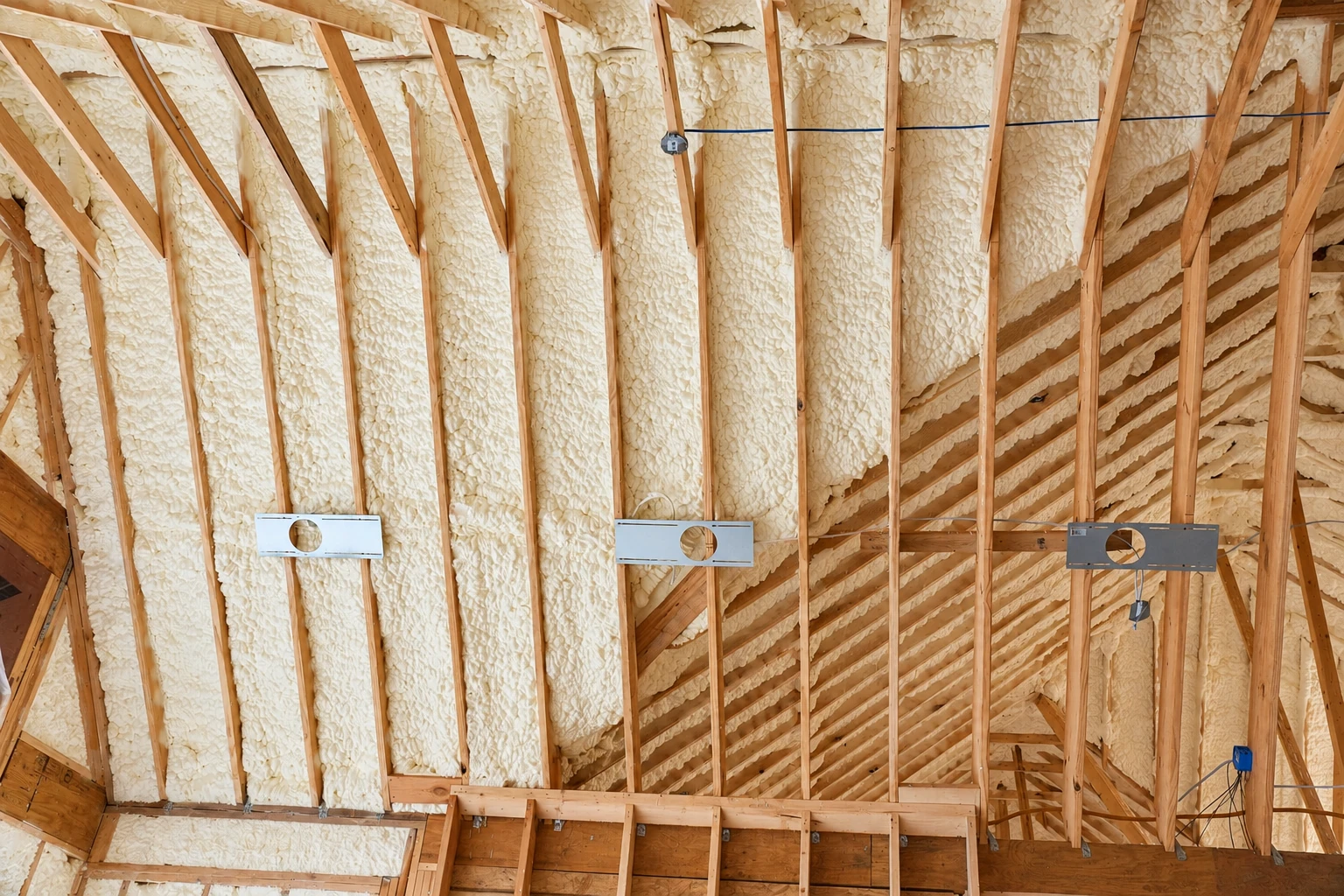
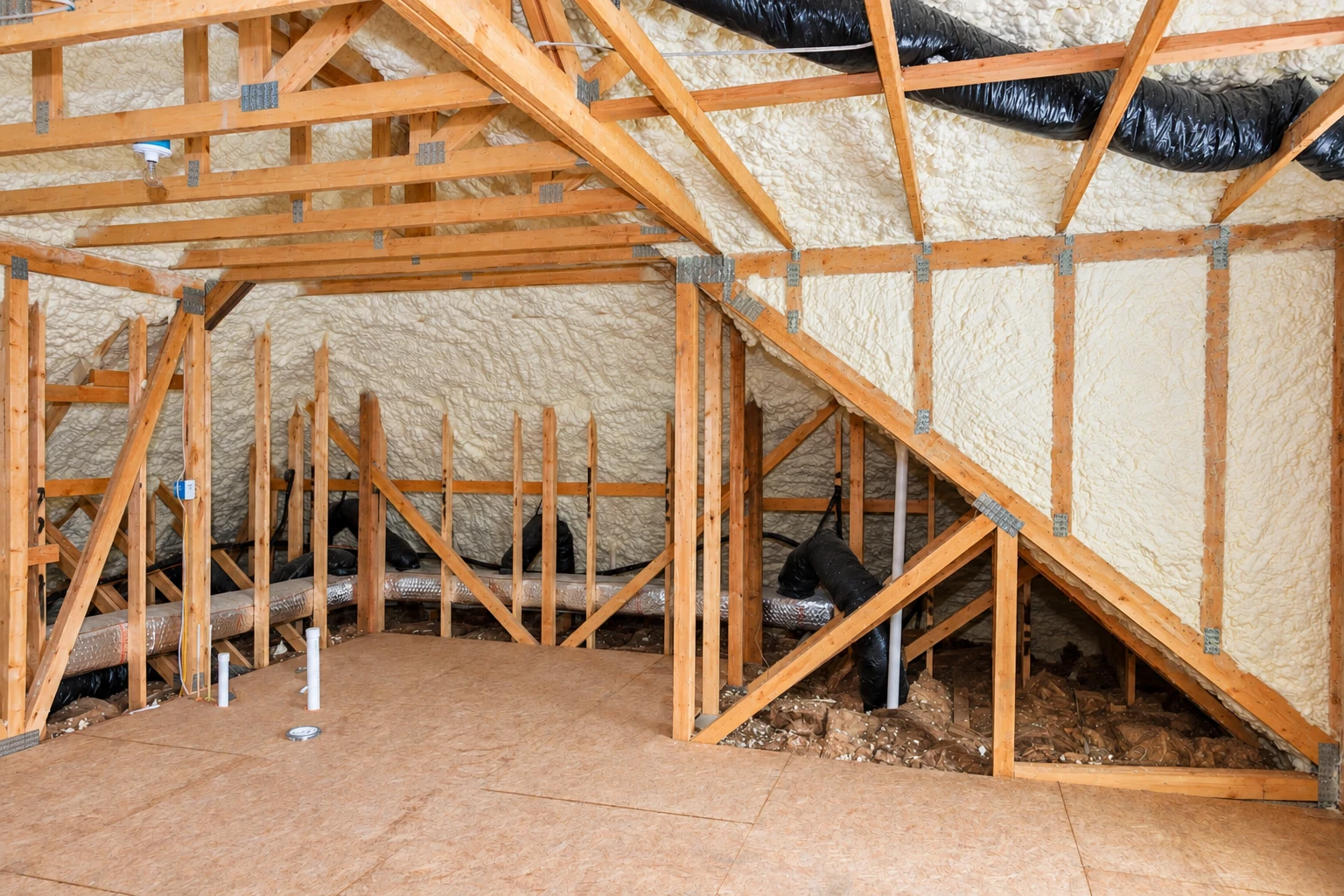
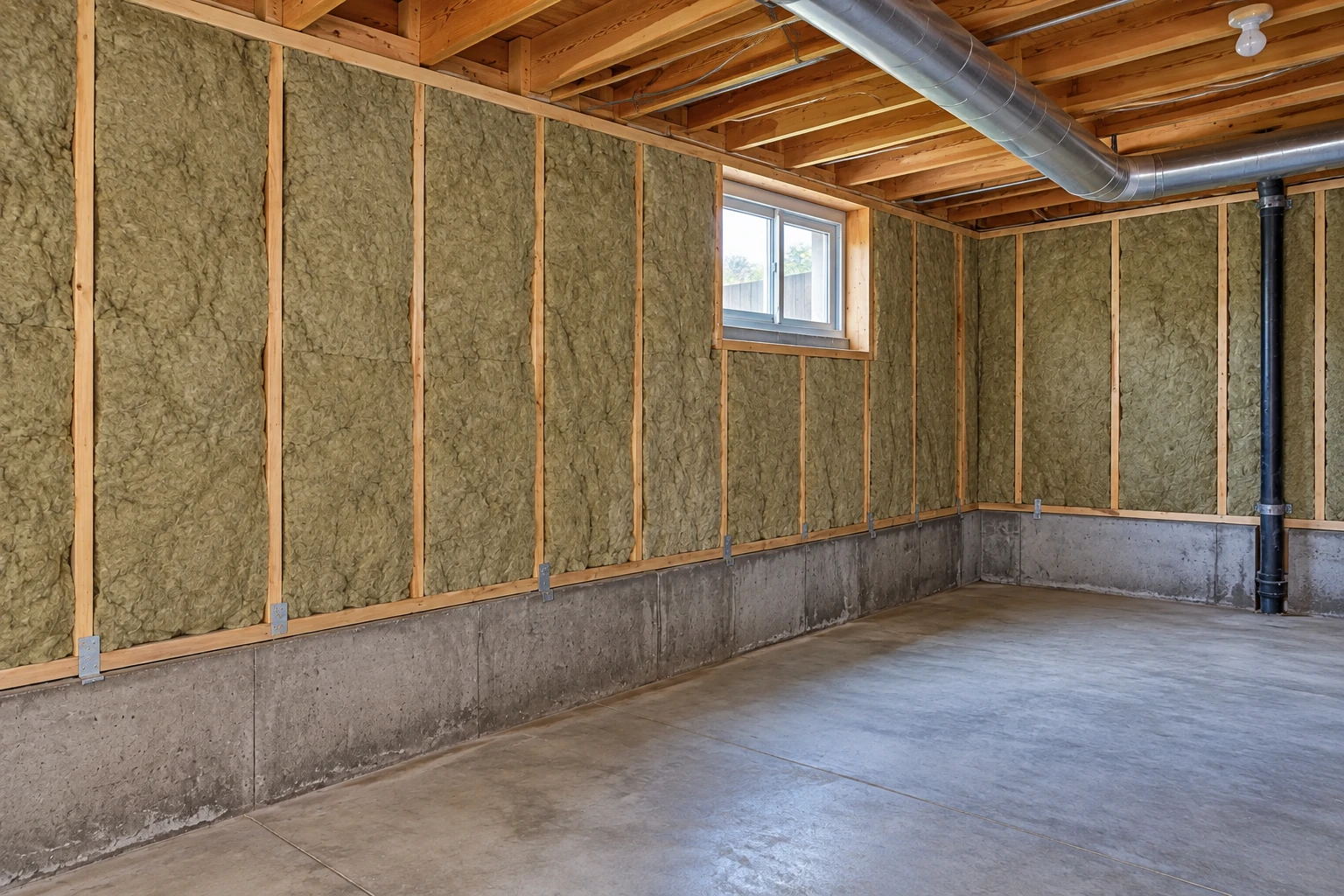
Can you insulate walls that are already finished?
Yes. Wall insulation fills the framing cavities, the hollow spaces between your studs, in a house that's short on insulation, and in Sioux City we usually do it by dense-packing, which means blowing insulation in tight through small holes so your walls stay up.
Most wall calls start with a bedroom that never warms up, an outside wall that's cold to your hand, or an older house where nobody knows what's behind the plaster. Woodbury County sits in the cold climate zone on the national maps builders use, so an empty wall here costs you all winter. The price moves with how much wall we're filling, whether we drill from inside or outside, what siding you have and how many built-ins we have to work around. The schedule turns on how many rooms are on the list and whether you want the walls done alongside new siding. I'll give you your own number after I've looked at the walls in person.
How we do wall insulation in closed walls
I come out first and look at the walls from inside and out, because filling a wall that's wet or leaking just hides the problem, and if a wall isn't ready I'll tell you. You choose whether we drill from inside or outside. Our installers cover the floor under the work and keep the dust contained, drill small holes, and dense-pack each cavity full from bottom to top, since loose insulation settles and leaves a cold gap up high. Then the holes get closed up, and I check the work before we wrap up. If new siding is on your list, call us before the siding crew starts, because that's the easiest time to do the walls and a good time to talk about adding a layer of insulation over the outside too.
Dense-pack slows air moving inside the wall, but a lot of a house's drafts usually come through gaps at the attic floor, around pipes and at the hatch, so walls often pair well with air sealing services, which close those gaps before more insulation goes in. When the cold is in your floors instead of your walls, basement insulation is usually the better place to start.
Why Sioux City homeowners call Superior Sioux City Insulation Company for wall insulation
The owner looks before anyone drills
I come out to look at your walls and write the estimate myself, and our installers do the work. I check it before we wrap up, so the person who quoted the job is the one who signs off on it.
Fully licensed and insured
Superior Sioux City Insulation Company is fully licensed and insured. That's worth asking any contractor about before they start drilling into your house.
Lived-in homes since 2023
I spent my first years insulating new houses with open walls, then started this business in 2023 for lived-in homes with old insulation and hidden leaks. Closed walls in a house your family lives in are the work we set out to do.
Based here, working three states
We're based in Sioux City and work across the cities around it in Iowa, Nebraska and South Dakota, including South Sioux City, Sergeant Bluff, Le Mars and Vermillion. Most of our calls come from homeowners around here with cold rooms, a drafty upstairs or an attic nobody's looked at in years.
On walls, what counts is every cavity filled full, because a half-filled one still feels like a cold wall. Call (712) 560-3837 or send us a request with your siding type, any built-ins, any re-siding plans and the rooms you want warmer.
Get a free estimate for your walls
We reply within one business day to set a time. I come out, look at your walls and write the estimate on site, free and with no obligation.
What wall insulation work looks like
Questions before you book wall insulation
How much does wall insulation cost in Sioux City?
Installing blown-in wall insulation across the US usually costs about $4 to $4.50 per square foot of wall, and that's the going rate, not our quote. Your figure depends on your house, so I write it up after looking at your walls at a free estimate on site.
What is the best way to insulate existing walls in an older house?
Dense-pack is usually the best way, because the insulation goes into the closed wall through small holes and nothing has to come down. Opening the walls only makes sense when you're already gutting a room, since then you get the same methods and materials a new house gets. If your walls are staying, we dense-pack.
Will drilling for wall insulation leave holes in my walls or siding?
From inside, the holes get patched or covered with chair rail, a strip of trim that runs along the wall. From outside, siding comes off as needed for the kind you have, which is why we ask about your siding type. So you're weighing patched inside walls against siding coming off outside, and the choice is yours.
Do I need a permit to insulate my walls in Sioux City?
Ask the city's Inspections and Permit Services office, because its permit list names building, electrical, plumbing, mechanical, rental unit and sign permits but doesn't name wall insulation. The office is open Monday through Friday from 8 am to 4:30 pm at 712-224-5216, and the state tells contractors to check with the city or county on every project. We do that before work starts and take care of any permit the job calls for.
Who is allowed to install insulation in Iowa?
A contractor who earns at least $2,000 a year from construction work has to register with the state's Department of Inspections, Appeals, and Licensing. A homeowner working only on their own property doesn't have to register, so ask anyone you're comparing whether they're registered.
How do I get my house ready for wall insulation?
Point out built-in shelves or cabinets, any wall that carries heating or cooling air, and any spot where the plaster feels weak, because each one changes how that wall gets filled. Built-ins can hide separate cavities that need their own holes, and cellulose industry practice keeps duct cavities empty. Ask any installer how they'll handle weak spots, which should be reinforced or filled at lower pressure, and in an older balloon-framed house, where the walls run open to the attic or basement, whether they'll block the top and bottom first.
Other work that often goes with walls
- Air sealing services
Worth adding if you still feel drafts around trim, outlets or the attic hatch once the walls are full.
- Basement insulation
A good next step when the floors upstairs stay cold even after the walls are done.